Learning that healing and connection don’t have to be mutually exclusive.
There is something interesting about the season following divorce. You find yourself navigating an entirely new landscape, learning who you are outside the context of a marriage, rediscovering your own rhythms, and figuring out what it looks like to build a life that feels whole again.
And somewhere in the middle of all that rebuilding, you may discover something you weren’t expecting to feel quite so deeply: a yearning for companionship.
Not necessarily a yearning to be married again. Not an urgent need to find someone to fill the empty spaces. Not an attempt to replace what was lost.
Just a desire for companionship.
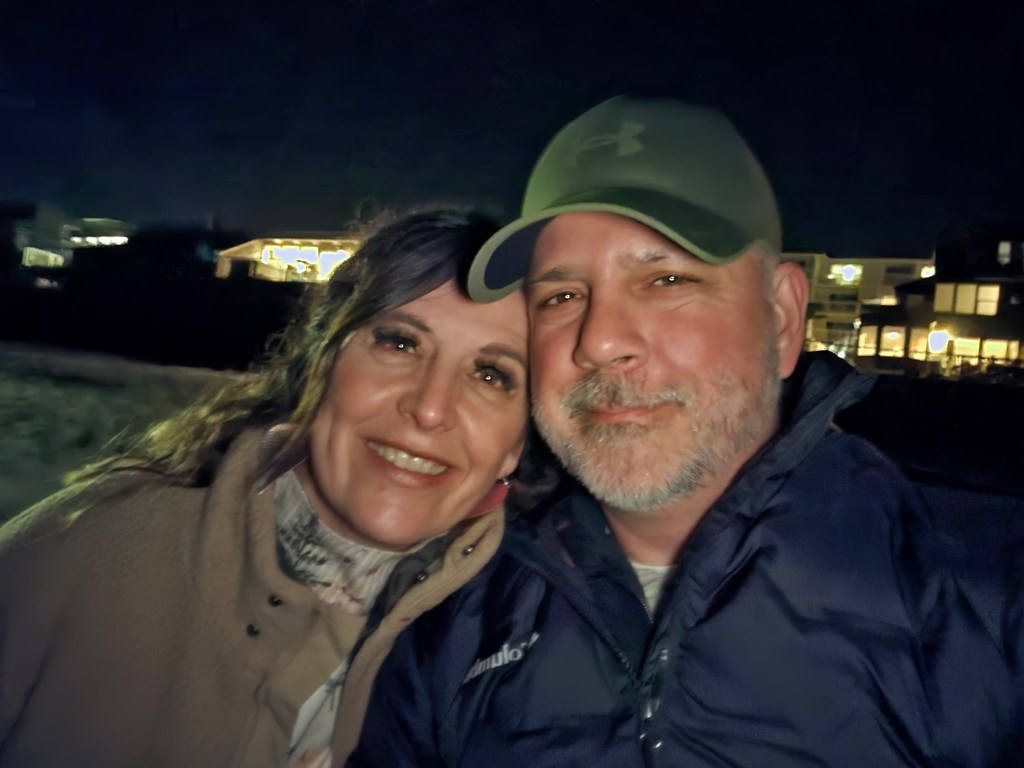
Someone to share a meal with. Someone to exchange stories with at the end of a day. Someone who enjoys your company, makes you laugh, challenges your thinking, and is willing to be present for the ordinary and extraordinary moments of life.
I’ve found this to be an interesting subject because there seems to be an unspoken hesitation surrounding companionship after divorce. Almost as though expressing a desire for connection somehow suggests that you haven’t done enough healing, haven’t spent enough time alone, or aren’t sufficiently content with your new season of singleness.
I wonder how much of that perspective comes from people who have never actually navigated the experience themselves.
It’s easy to establish expectations for someone else’s healing when you haven’t had to walk through the process yourself.
But I think we need to make room for a more nuanced conversation.
God created us for companionship.
From the very beginning, Scripture reminds us that it is not good for man to be alone. We were created for relationship, connection, community, and the shared experience of life. That desire doesn’t suddenly become less legitimate because a marriage has ended.
In fact, I would argue that the longing for companionship is not something we necessarily need to suppress in order to demonstrate that we are healing.
We simply need to learn how to navigate it well.
And that requires intention.
For me, there is a significant difference between looking for someone to rescue me from the discomfort of rebuilding my life and welcoming someone into a life I am already taking responsibility for rebuilding.
One is driven by an emptiness that another person is expected to fill. The other comes from recognizing that life is meant to be shared.
I don’t believe companionship has to be a distraction from healing. With the right intentions, healthy boundaries, emotional maturity, and a willingness to remain anchored in God’s direction, companionship can actually become part of the healing process.
There is something restorative about experiencing healthy connection after seasons when connection may have been difficult. There is something encouraging about being heard, considered, respected, and enjoyed. There is something beautiful about discovering that meaningful relationships can be built on mutual investment, genuine interest, and a willingness to be present.
That doesn’t mean every connection is healthy, every relationship is beneficial, or every desire should be acted upon. Discernment matters. Boundaries matter. Timing matters. And perhaps most importantly, our identity and security cannot be handed over to another person.
But neither should we confuse healthy boundaries with emotional isolation.
I am learning that rebuilding a life doesn’t mean closing the door to every possibility of connection. It means becoming increasingly discerning about what I invite through that door.
I want to be mindful of the pace. I want to honor the process. I want to remain attentive to God’s direction. I want to recognize the difference between companionship that enriches my life and a relationship that begins to compete with the very things God is teaching me.
And I want to give myself permission to enjoy the gift of connection without feeling the need to explain or defend that desire.
Perhaps this is one of the lessons of becoming: learning that independence and companionship can coexist. That contentment and longing aren’t contradictory. That healing doesn’t require us to become people who no longer need one another.
I am not looking for someone to complete my life. I am learning to live it fully. And I believe there is room for someone to walk alongside me in that process.
After all, the goal isn’t to become so self-sufficient that we no longer welcome companionship. The goal is to become grounded enough that we can receive it without depending on it for our identity, worth, or security.
There is a difference.
And maybe it’s time we stopped treating the yearning for companionship after divorce as something that needs to be explained away.
Sometimes it isn’t about replacing what was lost.
Sometimes it’s about being open to what can still be beautifully shared.
There is still life to be lived, laughter to be shared, conversations to be had, and meaningful connection to be experienced. And I don’t believe we have to apologize for wanting to experience those things.


Leave a Reply