I woke up this morning aware of two competing truths before my feet even touched the floor.
One was sacred.
The other was unavoidable.
Today marked our 28th wedding anniversary. That number landed on my chest with weight and familiarity, like a stone I’ve carried for decades—smoothed by time, but still heavy. I lay still for a moment, paying quiet tribute to the life that once was: twenty-eight years of shared history, inside jokes, prayers whispered in the dark, children born, holidays survived, ordinary mornings that stitched a life together one day at a time.
And then I opened my eyes.
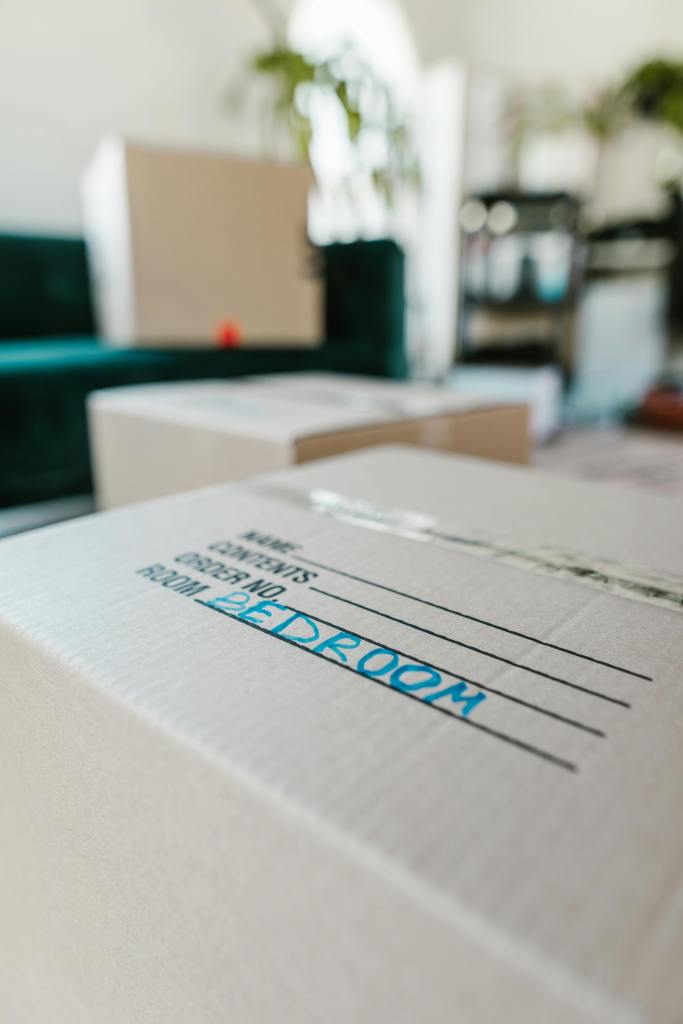
Across the room sat moving boxes—some sealed, some half-open, their flaps bent and tired. The walls were bare where pictures used to hang, pale rectangles marking the absence of frames that once held smiling faces and family memories. Empty nail holes dotted the drywall like punctuation marks in a story that had been abruptly interrupted. The room echoed in a way it never used to. Even the silence felt packed up.
Two worlds collided before a word was spoken and the day was truly launched.
One world asked me to honor what was real, what mattered, what I gave myself fully to for nearly three decades.
The other demanded that I face what is now—the dismantling, the leaving, the evidence that something foundational has ended.
Inside me, a quiet wrestling began.
How do you hold reverence and grief at the same time?
How do you mark an anniversary when the marriage no longer exists?
How do you give thanks for a story while standing in the wreckage of its ending?
As I moved into my morning routine, memories surfaced uninvited: the way anniversaries used to begin with cards placed strategically where the other party would see them first thing, the hope we once carried into each new year together, the belief that endurance itself meant success.
Now, endurance looks different.
It looks like standing in a room stripped of its former life and choosing not to harden.
It looks like letting tears come without apologizing for them.
It looks like acknowledging that two things can be true at once: this mattered deeply and this could not continue.
I found myself wanting to rush past the ache—tempted to spiritualize it, minimize it, explain it away. But the boxes wouldn’t let me. Neither would the date on the calendar. Today insisted on being felt.
So I paid tribute.
Not to a fantasy.
Not to what I wish had been.
But to what genuinely was: the love I gave, the faithfulness I offered, the years I showed up even when it was costly. I honored the woman I was at twenty-something, hopeful and brave. I honored the mother who stayed steady for her children. I honored the wife who kept believing reconciliation was possible long after the evidence suggested otherwise.
And then I looked again at the boxes.
They are not just symbols of loss—they are also movement. Evidence that I am not stuck, even when my heart feels tender and bruised. They whisper a truth I’m still learning to accept: endings, while brutal, also make room. Empty walls can be repainted. Rooms can be reimagined. A life can be rebuilt—not erased, not denied, but reshaped.
The collision of these two worlds—memory and momentum, honoring and letting go—creates tension. But it also creates honesty. This is what real faith looks like for me right now: not pretending the past didn’t matter, and not pretending the future won’t require courage.
Today, I hold both.
I honor twenty-eight years without clinging to them.
I grieve what’s gone without surrendering to despair.
I stand in a half-packed room, heart exposed, trusting that God is present not just in what He gives—but in what He gently, painfully allows to end.
This morning didn’t resolve anything neatly. It wasn’t poetic or redemptive in a tidy way. It was raw. It was quiet. It was real.


 Braving Authenticity
Leave a reply to Christine Pisani Cancel reply