
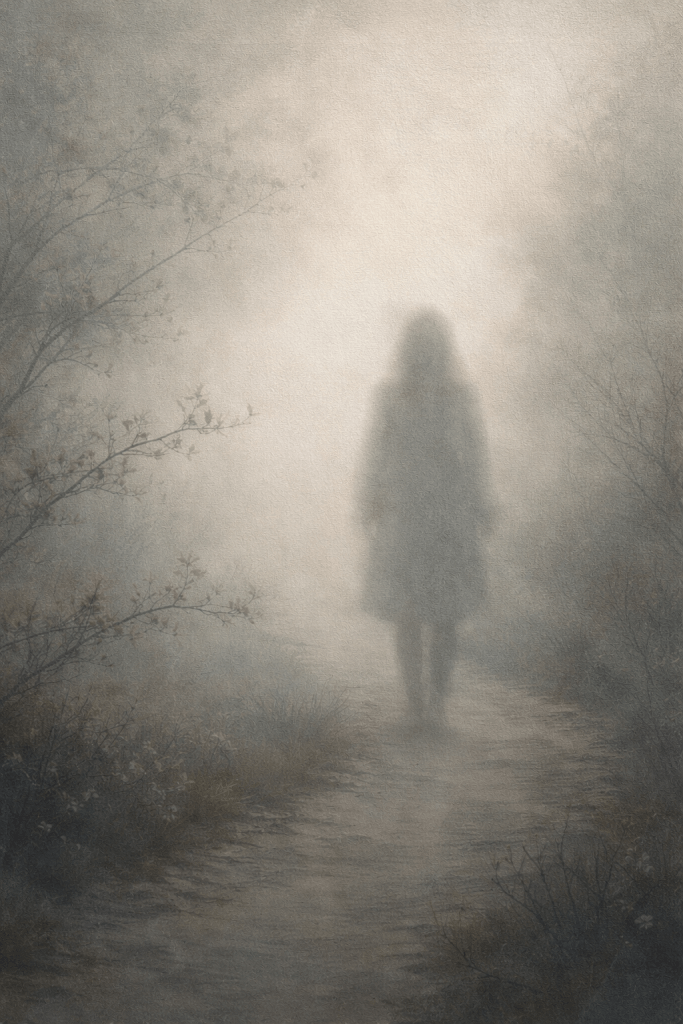
For years, we sensed something was off.
She was bright and creative, but also increasingly distant—eccentric in ways that were hard to explain. We tried to name it with softer words: quirky, sensitive, intense. We hoped time, rest, or love would smooth the edges. Instead, the edges sharpened.
What followed were repeated episodes of psychosis—confusing, frightening stretches where reality itself seemed to fracture. At the time, we didn’t have language for what we were witnessing. We only knew that the person we loved was slipping away, and that no amount of reasoning or reassurance could bring her back.
How Psychosis Can Present
Psychosis doesn’t always announce itself dramatically. Often, it creeps in quietly.
It can look like:
- Paranoia or suspicious beliefs, especially about the intentions of loved ones
- Delusions, where firmly held beliefs persist despite clear evidence to the contrary
- Distorted thinking, where connections are made that don’t logically hold
- Emotional volatility, swinging from agitation to withdrawal
- Disconnection from reality, where conversations no longer follow a shared world
For families, one of the hardest parts is that the person experiencing psychosis often feels completely certain. From the inside, their reality makes sense. From the outside, it feels like trying to speak across an unbridgeable divide.
The Quiet Cost to Families
Loving someone through untreated mental illness is profoundly taxing.
There were years of unanswered questions. Years of accusations that cut deeply and lingered long after the moment passed. Years of walking on eggshells, wondering which version of her we would encounter that day.
Grief settled in—not the kind that follows a single loss, but the slow, accumulating grief of ambiguity. We mourned someone who was still alive. We questioned ourselves constantly: Are we helping or hurting? Should we push or pull back? Is this our fault?
Relationships frayed under the strain. Trust eroded. Hope learned to whisper.
A Name, At Last
After substantial heartache, she was finally diagnosed with bipolar disorder.
A diagnosis didn’t erase the past, but it did something powerful: it gave context. What once felt personal—hostile, confusing, even malicious—could now be understood as illness. Patterns that baffled us suddenly made sense.
More importantly, diagnosis opened the door to treatment.
The Gift of Stability
With the right medical regimen, something remarkable happened.
She began to return.
Not all at once, and not perfectly—but genuinely.
She is productive again. She shows up with intention. She invests relationally. Her wit—long buried under confusion and fear—sparkles again. Her home tells a story of care and order and life that is no longer just being survived, but lived.
These are not small victories. They are sacred ones.
What Was Lost—and What Was Given Back
We cannot pretend there weren’t losses.
Relational years are gone—years we won’t get back, years shaped by misunderstanding and pain. There is grief there, and there always will be.
But in its place, something unexpected has grown.
I have been given a new relationship with her—one I do not take for granted. One marked by tenderness, humility, and a deep awareness of how fragile and precious mental health truly is.
I no longer assume stability. I savor it.
A Final Word
Mental illness is not a character flaw. Psychosis is not a choice. And healing, when it comes, is not a miracle cure—it is often the quiet fruit of persistence, proper care, and grace.
For those walking this road: you are not alone. For families carrying the invisible weight: your exhaustion is real. And for those witnessing a loved one come back to themselves—slowly, imperfectly—may you recognize it for what it is:
A profound gift.


 Braving Authenticity
Leave a comment